Big Lifts: Overhead Press
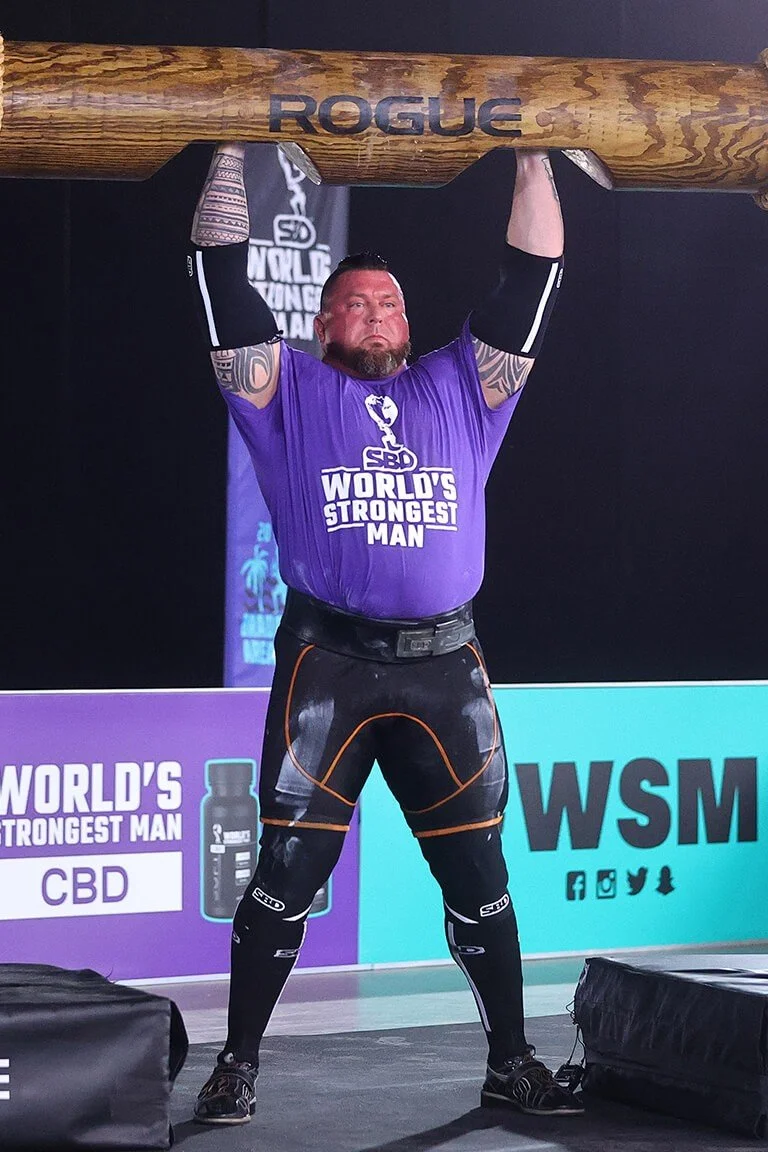
When it comes to upper-body strength, few exercises are as honest—or as demanding—as the barbell overhead press. Often referred to simply as “the press,” this lift is a true test of total-body strength, stability, and control. Unlike many upper-body movements that rely on benches or machines, the overhead press requires you to move weight from shoulder height to overhead using nothing but your own strength and coordination.
Whether your goal is building strong shoulders, improving athletic performance, or developing real-world strength, mastering the overhead press can dramatically improve how powerful and resilient your body feels.
Why the Overhead Press Matters
The overhead press is one of the most functional strength exercises you can perform. Pressing an object overhead is a movement pattern we use in daily life—lifting luggage into an overhead compartment, placing objects on high shelves, or bracing and pushing against resistance.
What makes the barbell overhead press unique is that it demands full-body tension. While it’s often thought of as a shoulder exercise, the press requires strong legs, a braced core, and a stable upper back to transfer force efficiently from the ground to the bar.
Unlike machine-based shoulder presses that lock you into a fixed path, the overhead press challenges balance, coordination, and joint stability. The result is stronger shoulders, a more resilient core, improved posture, and better carryover to sports and everyday tasks.
Muscles Worked
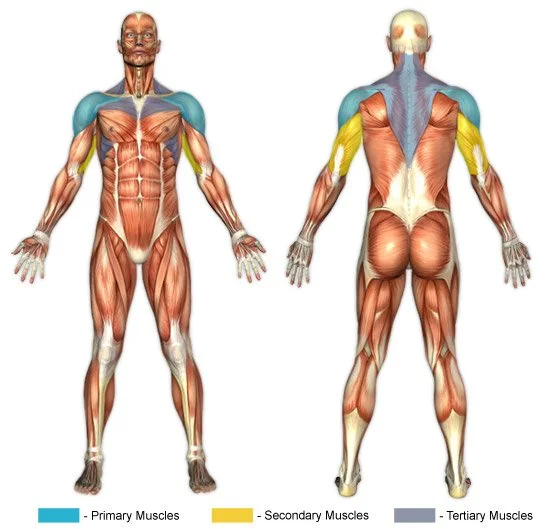
The overhead press primarily targets the deltoids (especially the front and medial heads), triceps, and upper chest. However, it also heavily engages the core, glutes, spinal erectors, and upper back to stabilize the body and control the bar path.
Because so many muscles are involved, the overhead press is a true compound movement and one of the best exercises for developing upper-body strength and muscular balance.
Form: The Foundations of a Strong Press
Good overhead press technique is about control and alignment—not just moving the bar from point A to point B. Proper form keeps your shoulders healthy and allows you to lift more weight safely over time.
Set Up Correctly
Set the barbell at about upper-chest height in a rack. Grip the bar slightly wider than shoulder width, with your forearms vertical and wrists stacked over your elbows. Step under the bar so it rests across the front of your shoulders and upper chest, then lift it out of the rack.
Stance and Posture
Stand tall with feet about hip-width apart. Squeeze your glutes, brace your core, and keep your ribs down. Your body should form a straight, stable pillar from feet to head.
Brace and Press
Take a deep breath into your belly and create full-body tension. Press the bar straight up, moving your head slightly back to allow the bar to pass, then bring your head “through” once the bar clears your forehead. The bar should finish directly over your mid-foot.
Lockout
At the top, your arms should be fully extended, shoulders shrugged slightly upward, and core tight. Avoid leaning back or overextending your lower back to finish the lift.
Lower Under Control
Lower the bar back to the starting position under control, keeping tension through your upper back and core as you prepare for the next rep.
Common Mistakes to Avoid
Excessive lower-back arching: Keep your glutes and core tight to avoid turning the press into an incline bench.
Bar drifting forward: The bar should move in a near-vertical path over the mid-foot.
Elbows flaring too wide: Keep forearms vertical to protect the shoulders and improve strength.
Using momentum: Strict control builds real strength; avoid excessive leg drive unless performing a push press.
Variations and Progressions
The strict barbell overhead press is the foundation, but several variations can help build strength and address weaknesses. The dumbbell press improves unilateral strength and shoulder stability. The push press allows heavier loads and develops power. Seated presses reduce lower-body assistance, while pause presses increase control and strength at sticking points.
For beginners, light barbell work or dumbbells are excellent ways to build confidence and proper movement before progressing to heavier loads.
Safety and Equipment
A power rack is recommended so you can unrack and rerack the bar safely. Set the J-hooks at a height that allows you to start the lift without standing on your toes. Wrist wraps and a lifting belt can be helpful at heavier weights, but solid technique should always come first.
Programming the Overhead Press
How often you press depends on your goals and overall training split.
For general strength: 2–3 sessions per week, 3–5 sets of 4–6 reps
For muscle growth: 3–4 sets of 6–10 reps with controlled tempo
For athletic performance: Incorporate push presses or speed-focused sets with lighter loads
Because the overhead press is demanding, recovery is key. Focus on quality reps and steady progression rather than chasing maximal weight every session.
Final Thoughts
The overhead press is a pure display of strength, stability, and discipline. It exposes weaknesses quickly and rewards consistency and good technique. When trained correctly, it builds strong, healthy shoulders, a resilient core, and confidence that carries over into every other lift.
If you’re unsure about your pressing mechanics or want to improve your numbers safely, working with a certified trainer (like me!) can make all the difference. Strong shoulders support a strong body—and it all starts with mastering the overhead press.