Big Lifts: Bench Press

Few exercises in the gym carry the same reputation as the bench press. It’s a staple of strength training, bodybuilding, and even casual fitness conversations — after all, how many times have you heard someone ask, “How much do you bench?”
Whether you’re new to lifting or aiming for a personal record, mastering the bench press is about more than moving heavy weight. Done properly, it can build strength, improve muscle balance, and protect you from injury.
Muscles Worked in the Bench Press
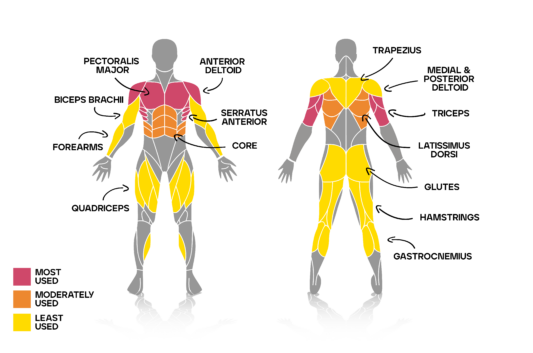
The bench press is often thought of as a “chest exercise,” but it engages far more:
Primary movers: pectoral muscles (chest).
Secondary muscles: triceps and anterior deltoids (front shoulders).
Stabilizers: lats, forearms, and even your core for balance and control.
This makes the bench press a compound lift — one that trains multiple muscle groups in a single movement.
Proper Bench Press Technique
Good form is everything. Here’s a step-by-step guide:
Set up on the bench: Lie flat with your eyes under the bar. Keep your feet firmly on the floor.
Grip the bar: Slightly wider than shoulder-width. Wrists straight, not bent.
Engage your body: Squeeze your shoulder blades together and keep a slight arch in your lower back.
Unrack carefully: With control, bring the bar directly above your chest.
Lower the bar: Slowly bring it down to your mid-chest, elbows at about 45° from your torso.
Press back up: Drive through your feet, press the bar upward, and lock out your elbows without overextending.
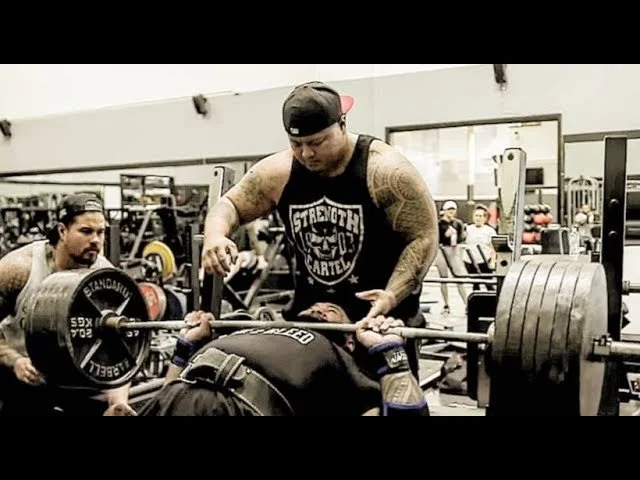
Pro tip: Always use a spotter or safety pins when lifting heavy — safety first.
Variations of the Bench Press
Switching up your bench press helps target different muscle groups and avoid plateaus:
Incline bench press: Emphasizes the upper chest and shoulders.
Decline bench press: Shifts focus to the lower chest.
Dumbbell bench press: Improves stability and balances strength between sides.
Close-grip bench press: Hits the triceps harder.
Benefits of the Bench Press
Builds upper body strength and power.
Increases muscle mass for the chest, arms, and shoulders.
Improves pushing performance in sports and daily activities.
Provides a measurable benchmark to track progress.
Programming and Progression
How you train the bench press depends on your goals:
Strength: 3–6 sets of 3–6 reps with heavier loads.
Hypertrophy (muscle growth): 3–5 sets of 8–12 reps with moderate weight.
Endurance: Higher reps (12–20) with lighter weight.
Apply progressive overload — gradually increasing weight, reps, or sets — to keep improving. Supporting exercises like push-ups, dips, and overhead presses can also boost your bench press performance.
Common Bench Press Mistakes to Avoid
Bouncing the bar off your chest. This reduces effectiveness and increases injury risk.
Flaring elbows too wide. Stresses shoulders unnecessarily.
Feet floating in the air. Weakens stability and power transfer.
Ego lifting. Lifting more than you can handle often leads to poor form and injuries.
Final Thoughts
The bench press is more than just a test of strength — it’s a tool for building a strong, balanced upper body. Focus on proper form, progress steadily, and don’t be afraid to mix in variations to keep your training fresh.
Next time you hit the gym, set up under the bar with confidence and remember: good technique is always stronger than heavy weight done poorly.